Embroidery vs Print on Clothing
What to choose for corporate merch: embroidery or print? Comparison by cost, durability, appearance and quantities. Recommendations for different tasks.
Embroidery or print — what's the difference
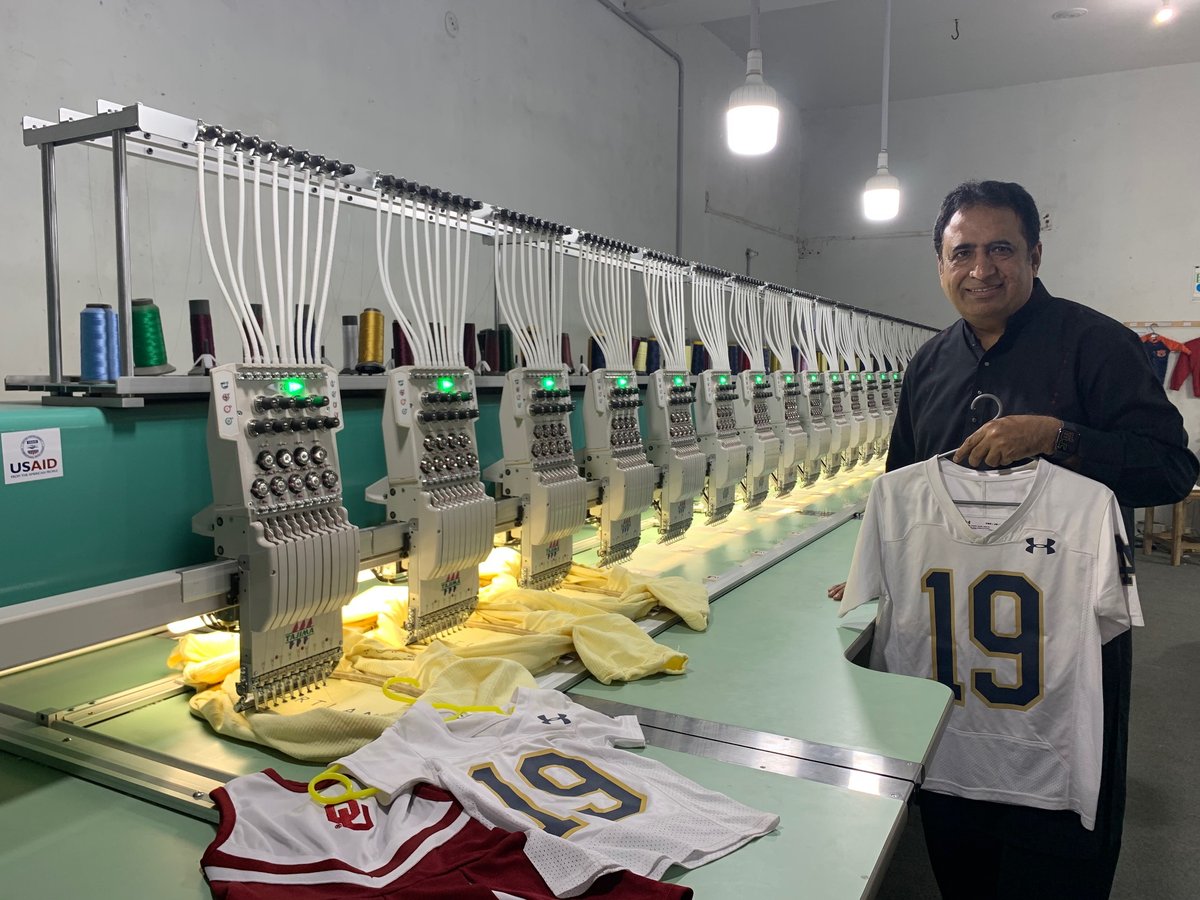
Embroidery is a method of applying image to fabric using threads. Creates a relief, tactile texture. Perceived as premium, expensive type of branding.
Print (silk screen, DTF, sublimation) — applying ink to surface. Can be full-color, bright, detailed. Cost-effective in large runs.
Choice depends on the task: for premium class — embroidery, for brightness and mass appeal — print. Often optimal to combine both methods.
Direct Comparison
Key differences between embroidery and print
| Criteria | Embroidery | Silk Screen | DTF Print |
|---|---|---|---|
| Minimum quantity | 20 pcs | 50 pcs | 10 pcs |
| Durability | 100+ washes | 30–50 washes | 50–70 washes |
| Appearance | Relief, premium | Thin film | Soft film, bright |
| Number of colors | Up to 15 | Up to 6–8 | Full color |
| Cost per unit | High | Low (from 50 pcs) | Medium |
| Timeline | 7–14 days | 5–10 days | 3–7 days |
| Fabric type | Dense fabrics | Any | Any (including dark) |
When to choose embroidery
Ideal scenarios for embroidery
Premium Brand
Embroidery is perceived as luxury branding. Perfect for upscale retail, restaurants, hotels, premium services.
Corporate Clothing
Hoodies, polo shirts, caps for employees who wear daily. Embroidery lasts for years — this saves budget on replacement.
VIP Gifts
Gift items with embroidery: hoodies for top management, jackets for partners. Feeling of exclusivity.
Event Merch
Embroidered baseball caps, hoodies for speakers and volunteers at conferences. Premium perception.
Complex Logos
Logos with small details, gradients through thread color transitions. Limitation — up to 15 colors.
Durability is Critical
For forms worn intensively: uniforms, work clothing, merch for production teams.
When to choose print
Ideal scenarios for printing
Bright Graphics
Photo printing, complex illustrations, gradients, art reproductions — print is unbeatable here. DTF for any complexity.
Small Runs
10–30 pieces — only DTF. Silk screen requires stencils and is impractical for small batches.
Budget Projects
Silk screen for runs of 50+ — lowest cost per unit. Optimal for mass events.
Personalization
DTF allows printing different names, numbers, inscriptions in one run without cost increase.
Full-Color Designs
Logos with many colors, photographs, complex artwork. Print doesn't limit the palette.
Fast Launch
DTF — 3–5 days. Silk screen — 5–10 days. Embroidery — 7–14 days due to program preparation.
Combined Approach
Optimal solution for complex projects
Embroidery + DTF = ideal merch
Popular combination: DTF print for main bright image (photo, art) + logo embroidery on chest. Gives:
- Premium perception from embroidery
- Brightness and detailing from DTF
- Durability on critical elements
Cost of combined item: +30–50% to base print price. Effect significantly exceeds cost.
FAQ
What lasts longer — embroidery or print?
Embroidery — 100+ washes without visible degradation. Print (silk screen) — 30–50 washes. DTF — 50–70 washes. For forms worn daily — embroidery is more cost-effective.
Can you embroider a photograph?
Technically yes, but result is limited to 15 thread colors. Photo transmission through embroidery — compromise solution. For photographs, DTF is better.
Which method is cheaper for 100 pieces?
For simple logo (1–3 colors) — silk screen: lowest cost per unit at 50+. For complex full-color design — DTF. Embroidery is more expensive, but gives premium result.
How to care for embroidered items?
Wash at 40°C, inside out, without bleach. Iron from reverse side. With proper care — 100+ washes.
Does embroidery unravel over time?
With proper care — no. Quality embroidery on stable fabrics lasts for years. We use stabilizers and proven materials.
Can't choose a method?
Send your design and task — we'll select optimal branding method