Printing & Branding Technologies in Armenia
A comprehensive guide to screen printing, DTF, sublimation, embroidery, laser engraving, and other branding methods: which materials they work on, optimal quantities, cost impact, and product lifespan.
Why Understanding Printing Technologies Matters
Your choice of branding technology directly affects three things: perceived quality, unit cost, and product lifespan. The same branded t-shirt can look like mass-market promo merch or a premium corporate gift — depending entirely on the printing method. That's why understanding your options before ordering is essential.
We work with seven core technologies: screen printing, DTF printing, sublimation, decal, embroidery, laser engraving, and pad printing. For every project, we select the optimal method based on the blank material, order quantity, design complexity, and intended lifespan. This page provides a structured overview of all technologies with links to detailed pages.
Branding Methods: How to Choose
Compare technologies by material, quantity, and image type
Screen Printing
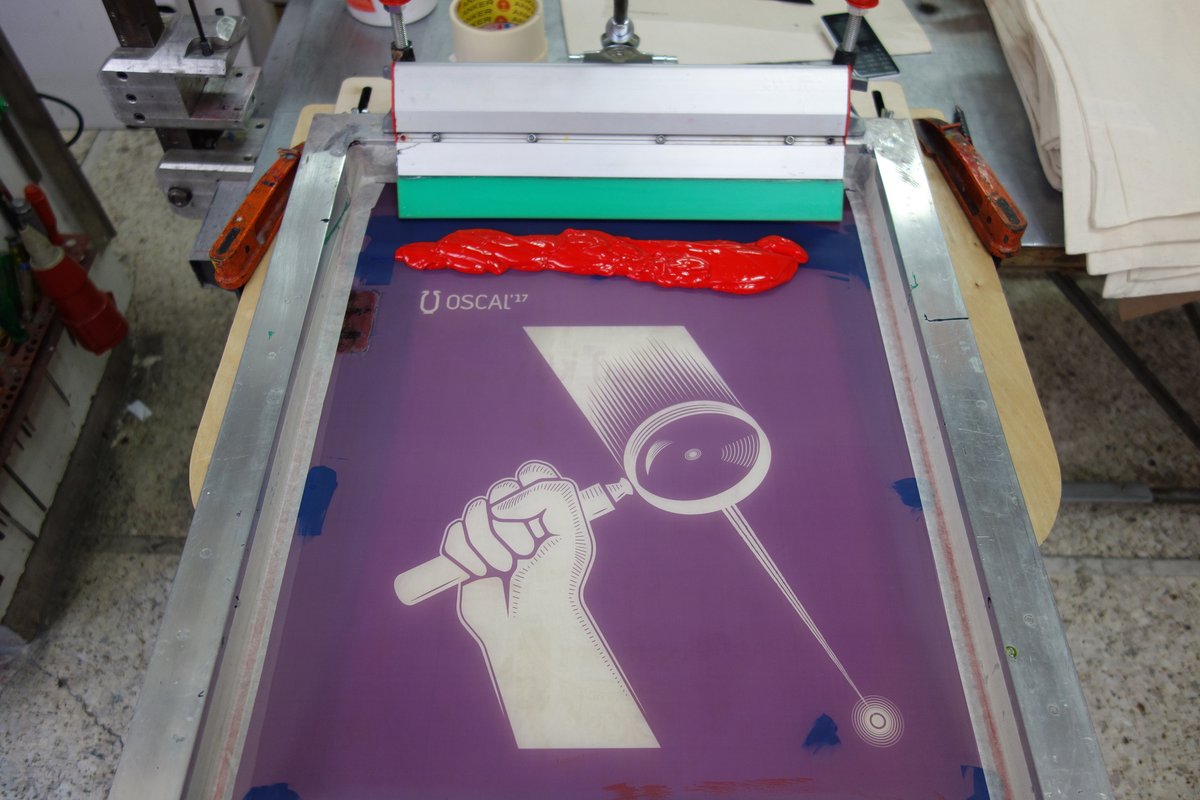
Versatile printing for textiles. Cost-effective from 50+ units, durable through repeated washing, suitable for single-color and multi-color designs.
DTF Printing
Direct-to-film transfer onto fabric. Perfect for complex full-color images on small runs (from 10 units) with unlimited colors.
Sublimation
Full-color printing on ceramics (mugs, plates), textiles, and hard coatings. Vibrant images resistant to external exposure.
Embroidery
Premium apparel and accessory branding. Adds tactile value, extremely durable, ideal for logos and text.
Laser Engraving
Non-contact processing of metal, wood, and glass. Creates wear-resistant marking for pens, thermoses, keychains, and VIP gifts.
Decal
Ceramic paints with kiln firing. Standard for mugs and dinnerware: durable image that withstands microwave and dishwasher.
Pad Printing
Printing on complex-shaped items: keychains, USB drives, lighters, silicone products. Works on any non-absorbent surfaces.
UV Printing
Direct printing on any surfaces: plastic, metal, glass, wood, ceramics. Photo printing and complex graphics with high detail.
How to Match Technology to Your Project
Method selection depends on four key parameters. First — blank material: textiles work with screen printing and DTF, ceramics with sublimation and decal, metal with engraving and pad printing. Second — quantity: screen printing benefits from economies of scale (from 50 units), DTF works from 10 units, decal is cost-effective from 100 units. Third — design complexity: photo printing and gradients are best reproduced by DTF or sublimation, simple logos are cheaper via screen printing or embroidery. Fourth — lifespan: embroidery and engraving practically never wear out, textile prints gradually fade after 30–50 washes.
Not sure what to choose? Describe your project in the contact form — we'll recommend the technology that delivers the best result within your budget. Combining methods is also effective: for example, a t-shirt with DTF print plus embroidered pocket logo looks significantly more premium than print alone.
See also: all merch types, merch for occasions, how to choose merch.
FAQ: Branding Technologies
Which technology is the most durable?
Embroidery and laser engraving — practically never wear out. Decal and sublimation on ceramics are also extremely durable. Textile prints last 30–50 washes with proper care.
Can methods be combined on one product?
Yes, this is common practice. For example, a t-shirt with DTF printing for the main image plus embroidered logo on the chest. Combining methods increases perceived value.
What is the minimum quantity for each method?
DTF — from 10 units, screen printing — from 30–50 units, sublimation — from 20 units, decal — from 50 units, embroidery — from 20 units, engraving — from 20 units, pad printing — from 50 units.
How does technology affect environmental impact?
Sublimation and DTF use no solvents. Embroidery is one of the most eco-friendly methods. For ESG initiatives, we recommend natural fabrics with embroidery or water-based sublimation inks.
Not Sure Which Technology Is Right?
Describe your project — we'll recommend the optimal branding method for your budget, quantity, and material.