Silk Screen vs DTF Printing: Which to Choose?
Silk screen is the classic workhorse for large runs. DTF offers flexibility for small batches and complex designs. Learn which method fits your project.
Two Printing Approaches
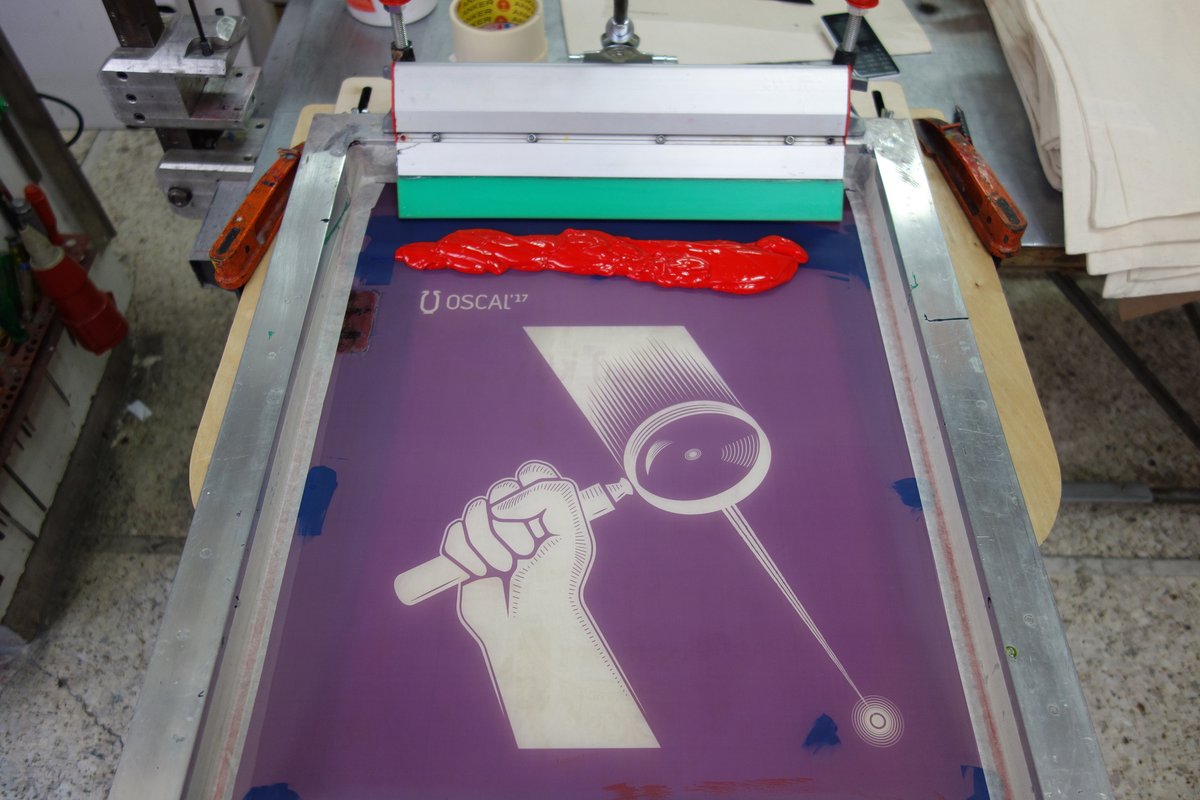
Silk screen printing (also called screen printing or serigraphy) is the traditional method used on millions of t-shirts worldwide. It forces ink through a mesh stencil onto fabric. DTF (Direct to Film) is a newer technology that prints onto a special film first, then heat-presses it onto the garment.
Both produce quality results, but the "right" choice depends on your order specifics. Here's the breakdown:
Detailed Comparison
How these methods compare across all key factors
| Criteria | Silk Screen Printing | DTF Printing |
|---|---|---|
| Minimum Order (MOQ) | 50 pieces per color/size | 10 pieces total |
| Color Capability | Up to 6–8 solid colors | Full color, unlimited shades |
| Best For | Simple logos, solid colors, text | Photos, gradients, complex art |
| Durability | 30–50 washes | 50–70 washes |
| Setup Costs | One screen per color (expensive) | No screens needed (digital) |
| Unit Cost at 50 pcs | Very low | Low |
| Unit Cost at 20 pcs | High (not recommended) | Moderate |
| Dark Fabric | Requires white underbase | Prints directly, vibrant |
| Fabric Variety | Cotton, blends, some synthetics | Cotton, polyester, nylon, denim |
| Turnaround | 5–10 business days | 3–7 business days |
When Silk Screen Makes Sense
Large Uniform Orders
When you need 100+ identical t-shirts for a company event, conference, or uniform — silk screen delivers the lowest per-unit cost.
Simple Corporate Logos
If your logo is 1–4 solid colors with no gradients, silk screen produces crisp, vibrant results at excellent value.
Tight Budget, High Volume
When cost per piece is the primary concern and you can commit to 50+ pieces per design, silk screen wins.
When DTF Makes Sense
Small Batch Testing
Want to test a design before committing to a large run? DTF lets you order 10–30 pieces economically.
Full-Color Artwork
Photographs, watercolor illustrations, or designs with gradients work beautifully on DTF — no color separation needed.
Personalization
Need each t-shirt with a different name or number? DTF handles variable data without added cost.
Quick Turnaround
When you need merch in 3–5 days for a last-minute event, DTF's digital process skips the screen setup.
Cost Calculator Scenario
Here's how the math typically works out:
| Order Size | Silk Screen (per unit) | DTF (per unit) | Recommendation |
|---|---|---|---|
| 10–30 pcs | High cost | Moderate cost | DTF |
| 50–100 pcs | Low cost | Low cost | Either — DTF if complex art |
| 200+ pcs | Very low cost | Low cost | Silk Screen for simple designs |
Frequently Asked Questions
Can I mix sizes without extra cost?
Yes, both methods print the same design on all sizes. Silk screen requires 50+ per size/color combination, while DTF has no such requirement.
Which method is better for dark t-shirts?
DTF generally produces more vibrant results on dark fabrics. Silk screen requires a white underbase layer, which adds cost and can crack over time.
Do I get a color proof before production?
Yes, we offer digital proofs for all orders and physical color proofs (6,000–8,000 AMD per sample) for silk screen orders over 200 pieces.
How do I care for printed garments?
Wash inside out at 40°C max, no bleach, iron inside out. This extends print life to the maximum wash counts listed above.
Related Pages
Embroidery vs Print • Startup Merch • HR Merch • Express Delivery
Get Your Printing Quote
Tell us about your project — we'll calculate the most cost-effective method